When storms roll through Lakeland or Polk County, power outages are almost guaranteed. It’s no surprise that thousands of Florida homeowners rely on generators to keep their families safe and comfortable. But what many don’t realize is that improper generator use is one of the leading causes of electrical fires, carbon monoxide deaths, and equipment failures during hurricane season.
In Florida – the lightning capital of the U.S. – generator safety is more than common sense. It’s code-driven, life-or-death electrical work that must be done correctly. This guide reveals the 7 most dangerous generator mistakes Florida homeowners make, and how to avoid them with safe, code-compliant practices.
1. Running a Portable Generator Too Close to the House
This is the #1 cause of carbon monoxide poisoning during hurricanes.
Portable generators must NEVER be used:
- In garages – even with the door open
- On patios
- Near doors or windows
- Under overhangs
- Inside screened porches
Florida Building Code (and all manufacturer warnings) require portable generators to be:
- At least 20–25 feet from the home
- Positioned with the exhaust facing away
- Placed on stable, dry ground
Even small misplacements can cause CO to enter your home. Florida sees multiple fatalities every storm season because of this single mistake.
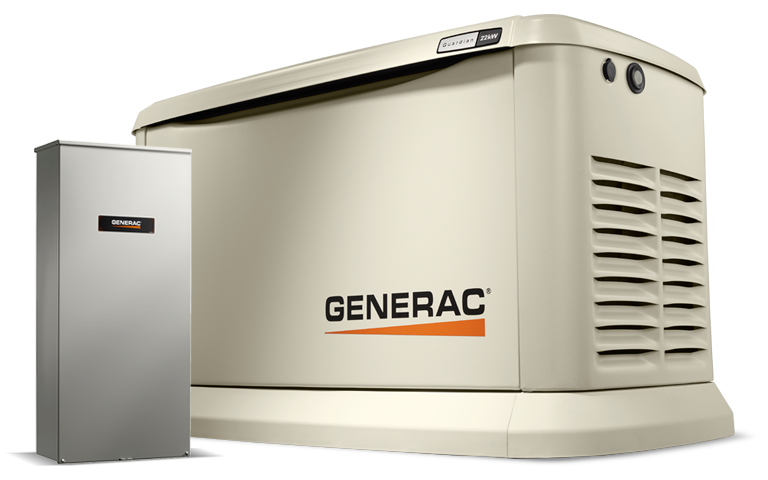
➡️ If you want to avoid these risks entirely, consider upgrading to a whole-home standby generator with professional installation.
2. Backfeeding the Home Through a Dryer Outlet
This is one of the most dangerous mistakes Florida homeowners make – and also one of the most illegal.
“Backfeeding” happens when someone tries to power their home by plugging a generator into:
- A dryer outlet
- A range outlet
- A 240V appliance outlet
Not only does this violate NEC Article 702 and Florida code, but it can:
- Electrocute utility workers
- Start electrical fires
- Destroy appliances
- Cause the generator to explode.
- Result in criminal charges
The only safe and legal way to connect a generator is through a transfer switch, installed by a licensed electrician. Look Electric provides professional generator installation services for permanent and portable setups.
3. Installing or Connecting a Generator Without a Transfer Switch
A transfer switch is required under the Florida Building Code for any generator that connects to a home electrical system.
Transfer switches:
- Isolate your home from the grid
- Prevent backfeeding
- Allow safe switching during outages.
- Protect appliances from voltage spikes.
- Ensure your generator runs safely.
Florida inspectors will immediately reject any generator installation that bypasses or eliminates a transfer switch.
If you want your system installed correctly and legally, rely on licensed electricians who handle permits and understand Florida’s strict electrical requirements.
4. Using the Wrong Extension Cords or Damaged Cords
Even high-quality generators can fail when paired with the wrong extension cords.
Florida homeowners often make these unsafe choices:
- Using household orange extension cords
- Running cords through water-soaked grass
- Plugging in more devices than the cord can handle
- Using cords with exposed copper
- Running cords under rugs or carpets
For a portable generator, you must use:
- Outdoor-rated, 12-gauge or 10-gauge cords
- Short, heavy-gauge cords to reduce voltage drop
- GFCI-protected cords (recommended)
- Cords free from cuts, cracking, or melted insulation
Improper cords cause fires, electrocution, and overloaded generators – especially in Florida’s humid climate.
5. Choosing the Wrong Generator Size for Florida Homes
Florida homes typically require more power than homes in other states because of:
- High-demand HVAC systems
- Pool pumps
- Water heaters
- Well pumps
- EV chargers
- Multiple refrigerators/freezers
Many homeowners buy a generator that’s too small, leading to:
- Overloaded circuits
- Generator shutdown
- Damage to appliances
- Failure to start AC units
For whole-home protection, most Lakeland homes need:
- 18–24 kW generators for average homes
- 24–38 kW generators for large or multi-AC homes
A licensed electrician can perform a load calculation to determine the correct size for your home.
6. Ignoring Florida’s Surge Protection Needs
Florida leads the nation in lightning strikes. Without surge protection, a generator starting during a storm can expose your home to:
- Power spikes
- Fried electronics
- HVAC damage
- Panel damage
- Permanent appliance failure
The Florida Building Code now recommends (and often requires) whole-home surge protection, especially when installing a generator or upgrading an electrical panel.
If your home doesn’t have one, visit our surge protection solutions page or discuss it with your installer.
7. Letting an Unlicensed Handyman Install a Generator
This is extremely common – and extremely unsafe.
Florida law requires generator installation to be performed by a licensed electrical contractor (EC). A handyman:
- Cannot legally pull permits
- Cannot install transfer switches
- Cannot legally connect a generator to the panel
- Will cause your installation to fail inspection
- May void your homeowner’s insurance
- Cannot provide warranty support
Worst of all, unsafe generator installations often go unnoticed until a storm hits – and by then, it’s too late.
At Look Electric Co., our team is:
- Fully licensed & insured (EC13014526)
- Experienced in generator wiring
- Familiar with Florida code
- Experts in surge protection and transfer switch installation
We fix unfinished or unsafe work left behind by unqualified contractors every week.
How to Stay Safe: Hire Licensed Generator Experts
When it comes to generator installation, shortcuts can cost lives. Florida storms require a system that is:
- Correctly sized
- Code-compliant
- Safely grounded
- Professionally wired
- Installed with a transfer switch
- Surge-protected
- Inspected and permitted
Look Electric Co. ensures your generator is ready for every storm – safely and legally.
Call Look Electric Today Before the Next Storm Hits
Protect your home, your family, and your electrical system with expert generator installation and code-compliant wiring.
📞 Call Look Electric Co. at (863) 859-2515
📍 Proudly serving Lakeland, Polk County & Central Florida
🛠 Licensed • Insured • Code-Compliant • Free Estimates